Becoming
The UIA World Congress of Architects 2026 Barcelona is a unique international event for architectural dialogue, bringing together architects, researchers, and experts from various disciplines. Organized by the International Union of Architects (UIA), the Congress takes place every three years in a different city. In 2026, it will be held in Barcelona, and the city has consequently been designated by UNESCO as the World Capital of Architecture 2026.
Barcelona has, throughout its history, been a benchmark in urban and architectural exploration, driving key transformations that have redefined its social, political, economic, and cultural fabric.
Over the course of three days, with more than 200 speakers from around the globe, the congress will feature a diverse programme of talks and debates, showcasing original “research by design” projects and built prototypes.
In the context of contemporary ecological and social challenges, Becoming. Architectures for a Planet in Transition conceives the congress as an open laboratory, grounded, transcultural, transspecies, and transscalar. Rather than being a model to replicate, Barcelona is understood as a space for critical learning. Through “by design” investigations, the congress will explore its virtues and contradictions, generating a dynamic space for architectural exploration.
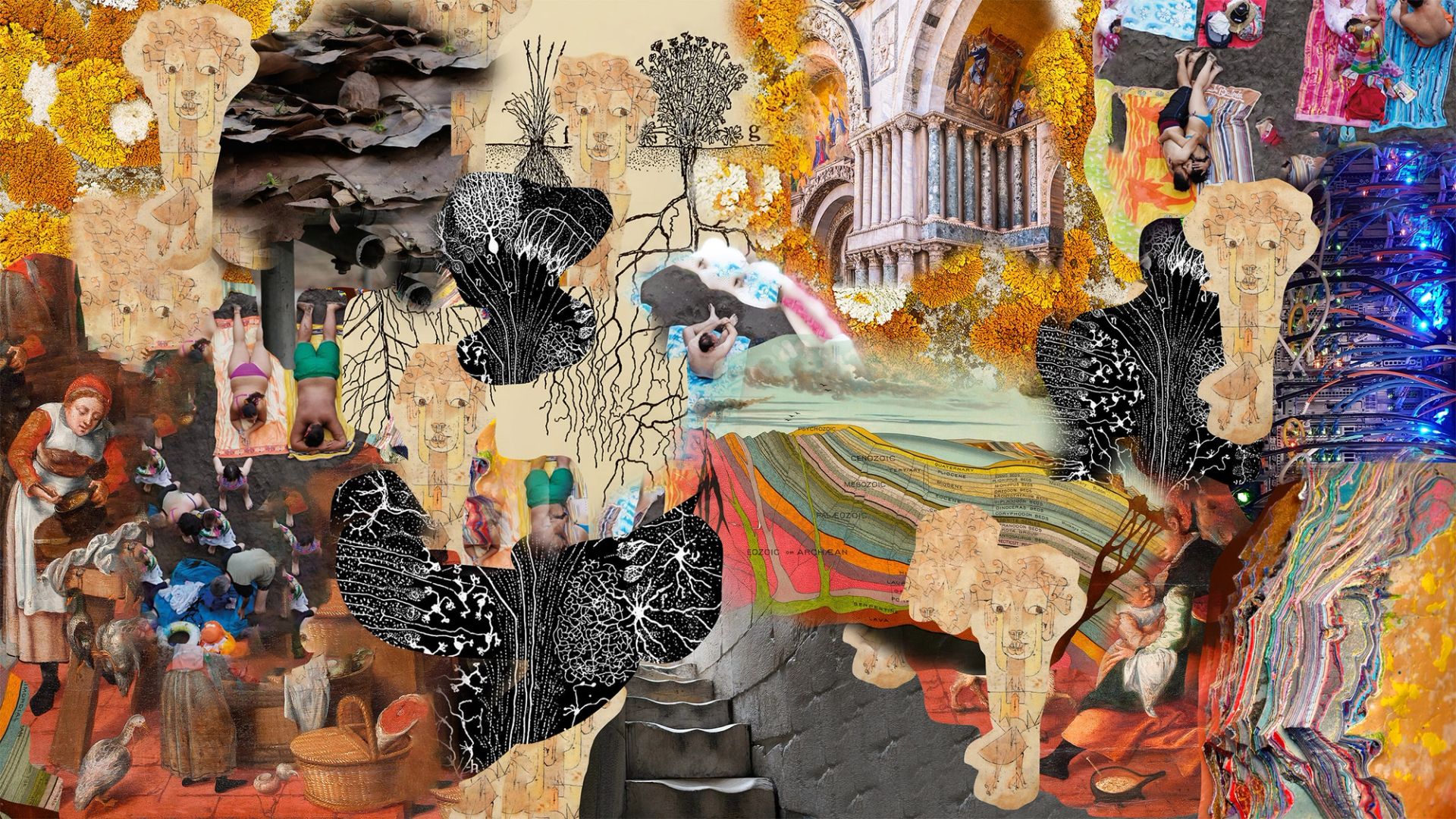
Becoming explores spatial practices that foster the appropriation and transformation of our inhabited environments — both human and more-than-human, individual and collective — by investigating the potential of time as a design tool. Rejecting the notion of tabula rasa, it is rooted in a deep awareness of pre-existing physical and cultural landscapes, curating transitions through material, political, ecological, and poetic interrelations. In an effort to move beyond the depletion of capitalist-driven paradigms, Becoming poses challenges that suggest alternative prospects: six thematic research lines frame these explorations, inviting open-ended, intersecting investigations into what it means to design for a world in transition.
Becoming More-than-human: How can architecture embrace ecological coexistence? Becoming Attuned: What forms of meanings and poetics can we engage with our everyday practice? Becoming Embodied: How can values be embedded in the transitions from matter to construction? Becoming Interdependent: How can we design politics of space that activate interpersonal relationships? Becoming Hyper-conscious: What actions can arise from a deeper awareness of global and local interplays? Becoming Circular: Within post-extractivist proximity policies, which cycles can be spatially produced?