Citissimum Altissimum Fortissimum
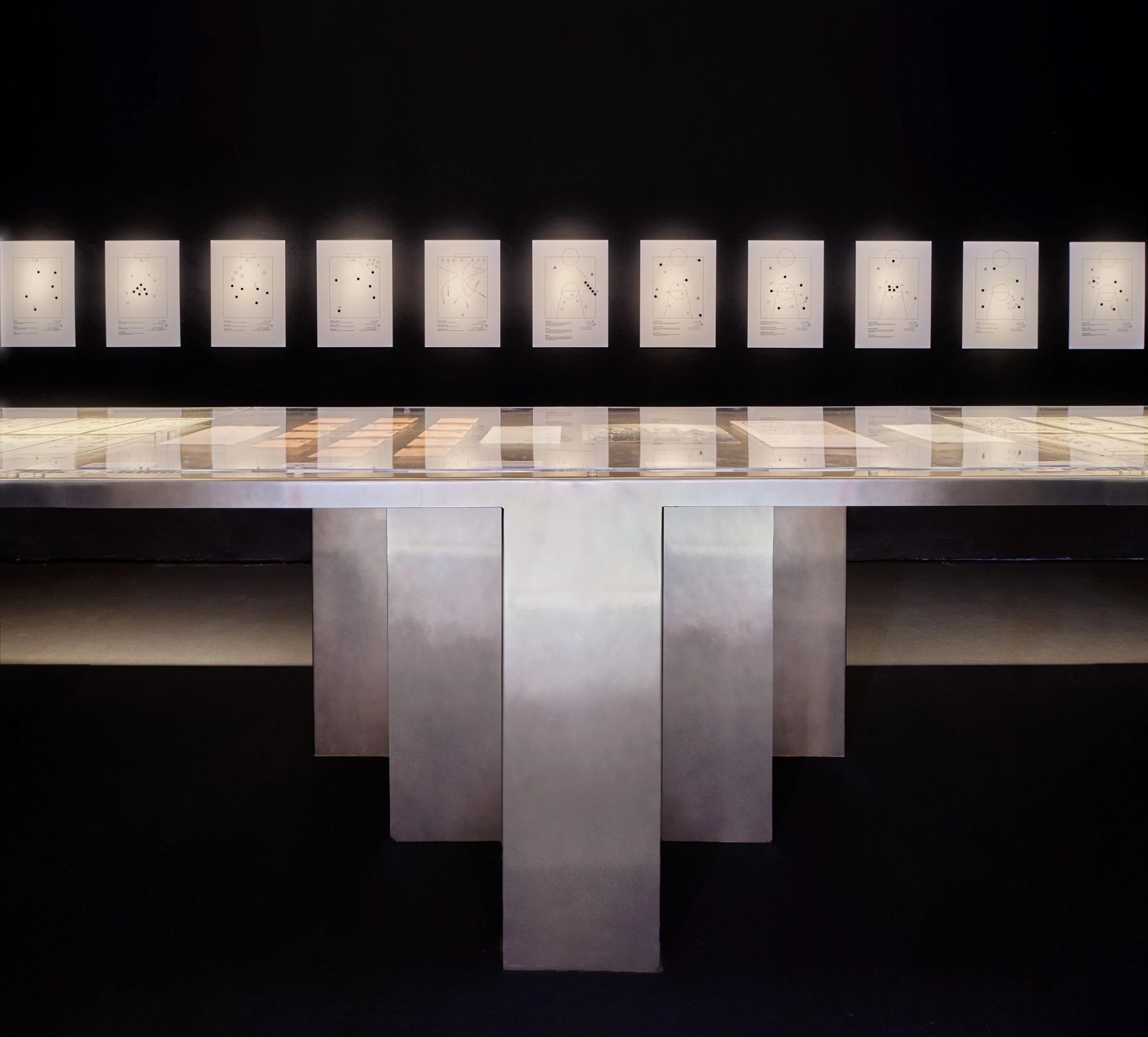
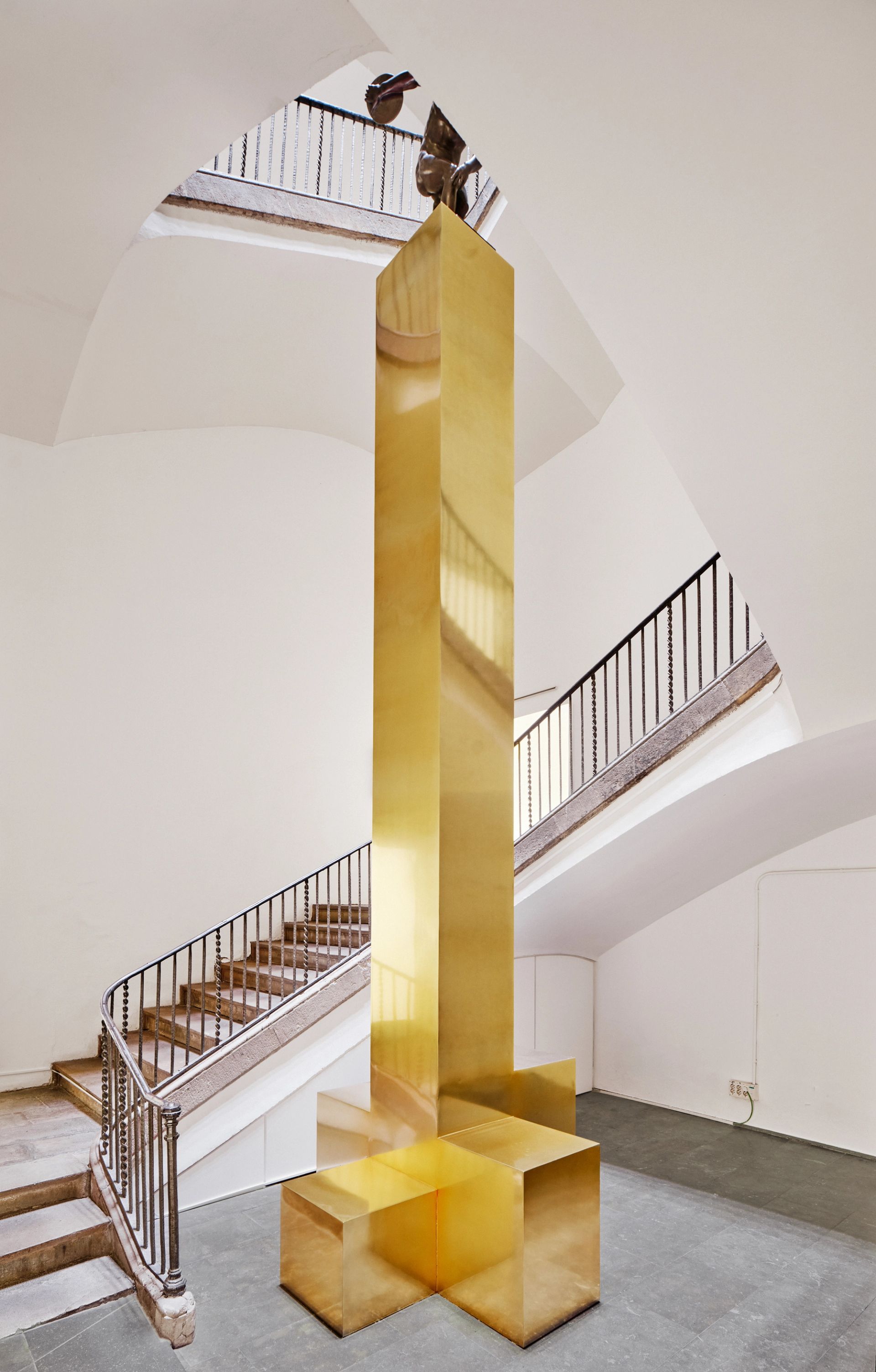
CITISSIMUM ALTISSIMUM FORTISSIMUM is an exhibition about a contemporary phenomenon that, despite profoundly shaping our lives, remains underrepresented in the art world: sport as a symptom of the present. Through concepts such as the body, measurement and performance, competitiveness, binarism, and representation, the exhibition brings together a range of artworks that, through absurdity, irony, and deconstruction, push the manifestations of competitive and mass sport to their limits. Its aim is to reveal how, in one way or another, we all participate in the same logic: we compete through seemingly objective metrics and contribute to turning it into spectacle. (curatorial text)
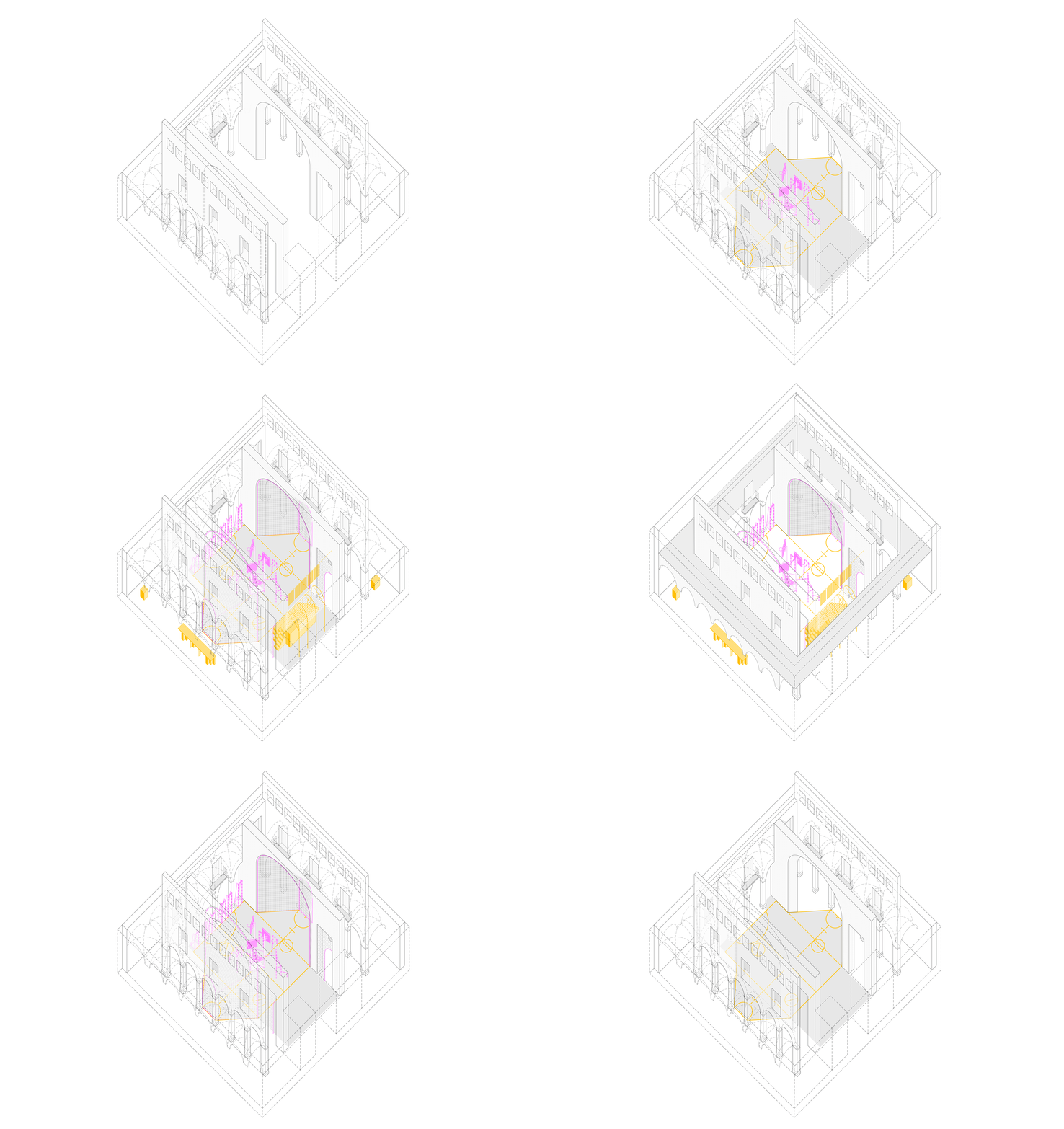
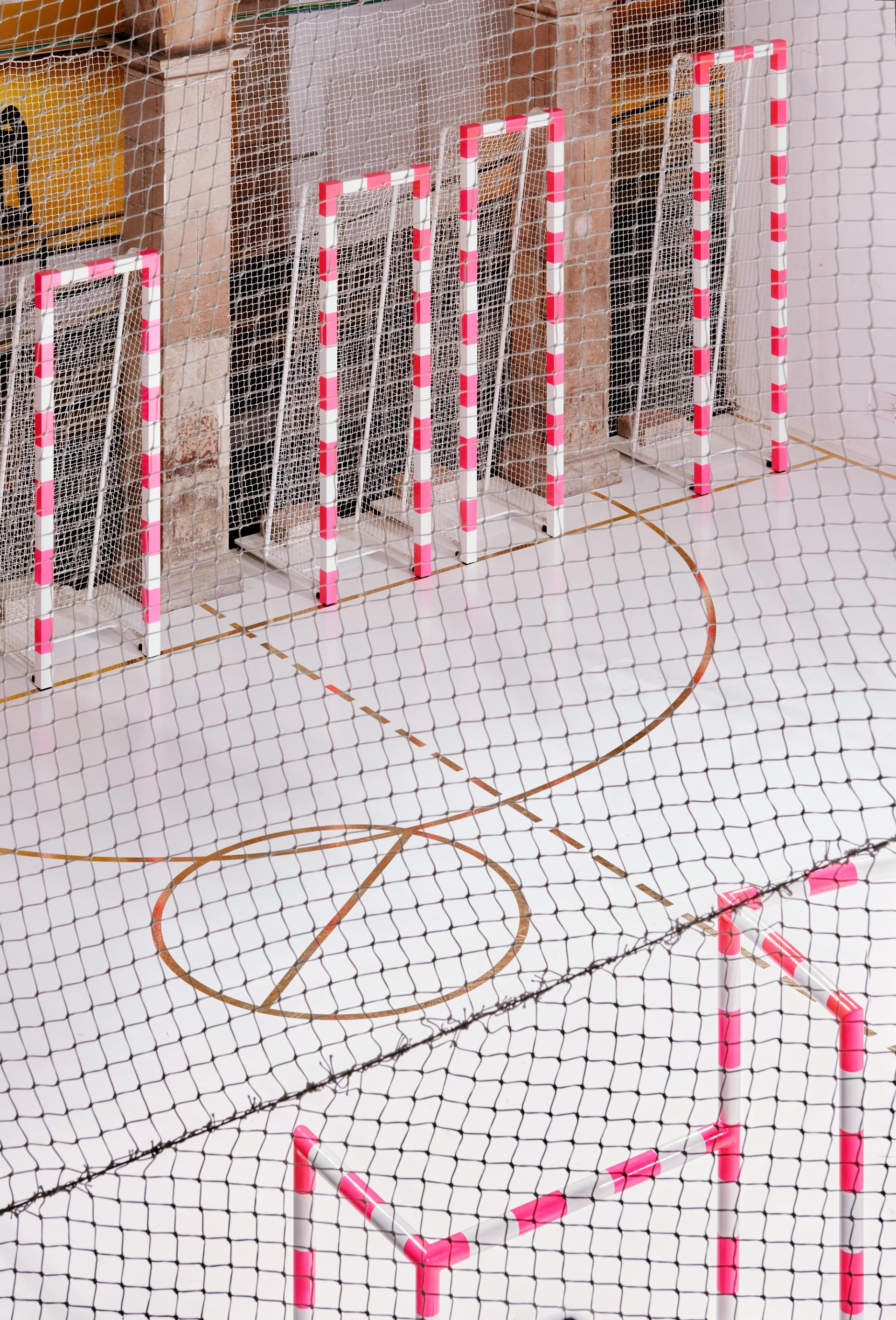
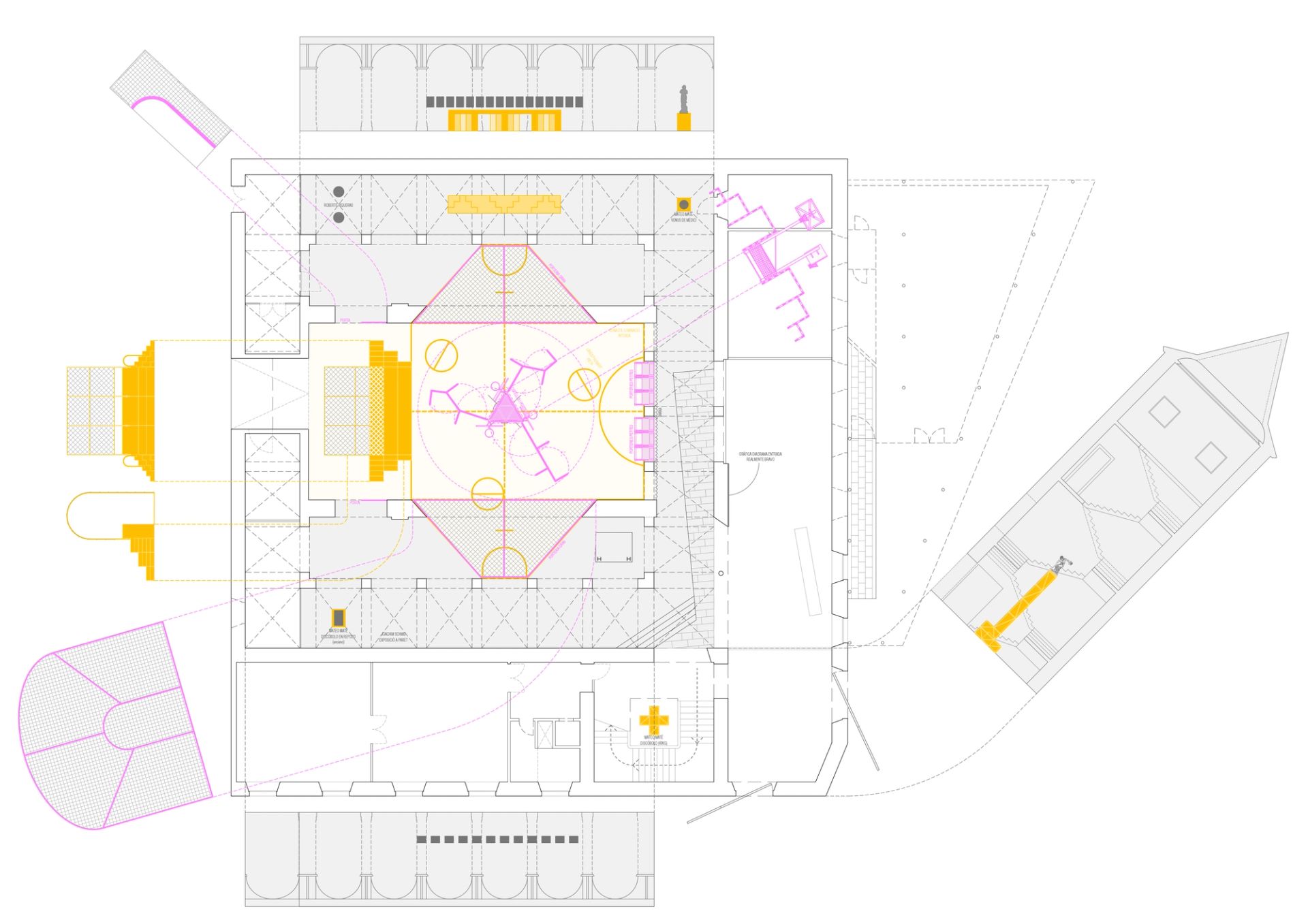
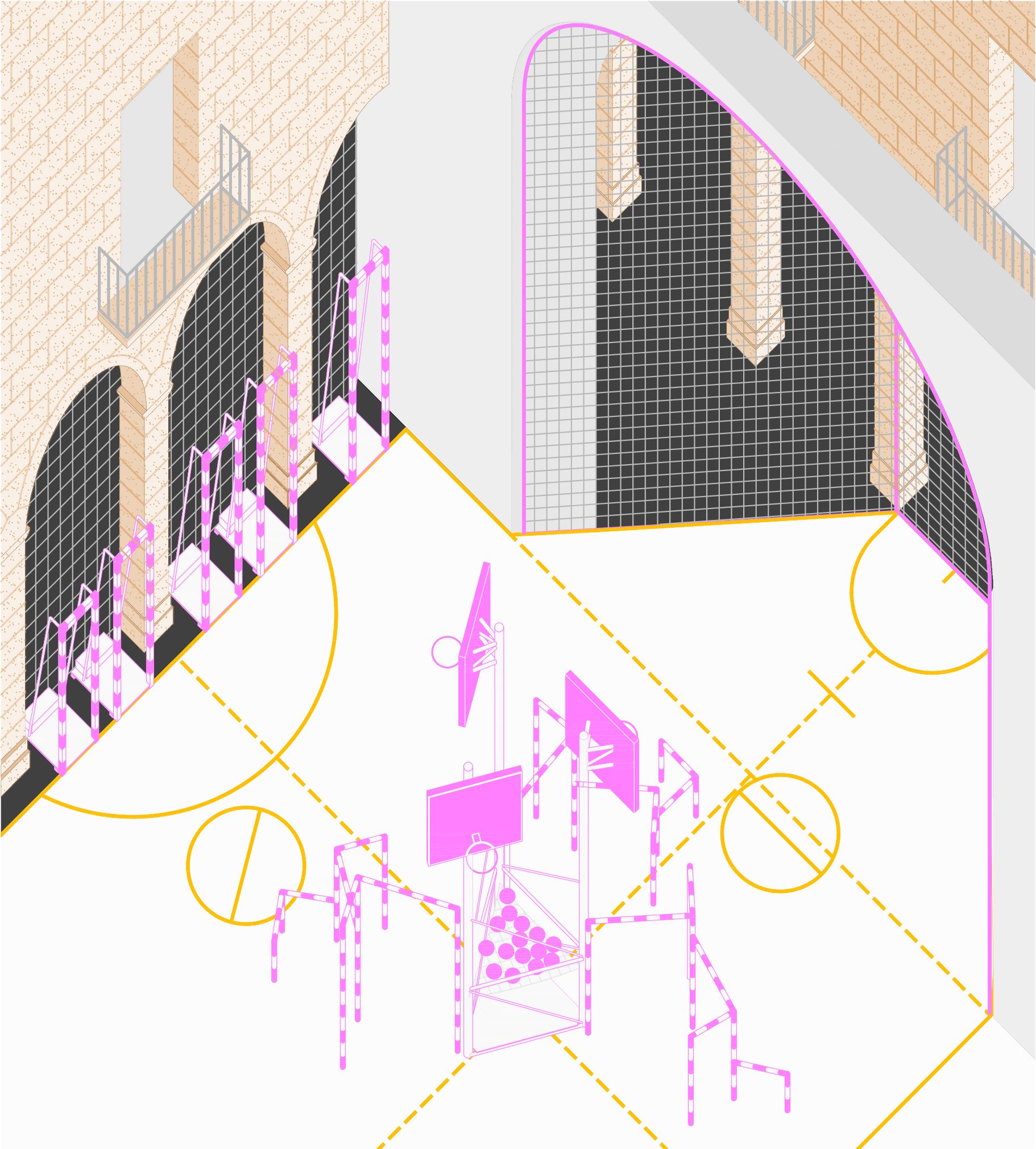
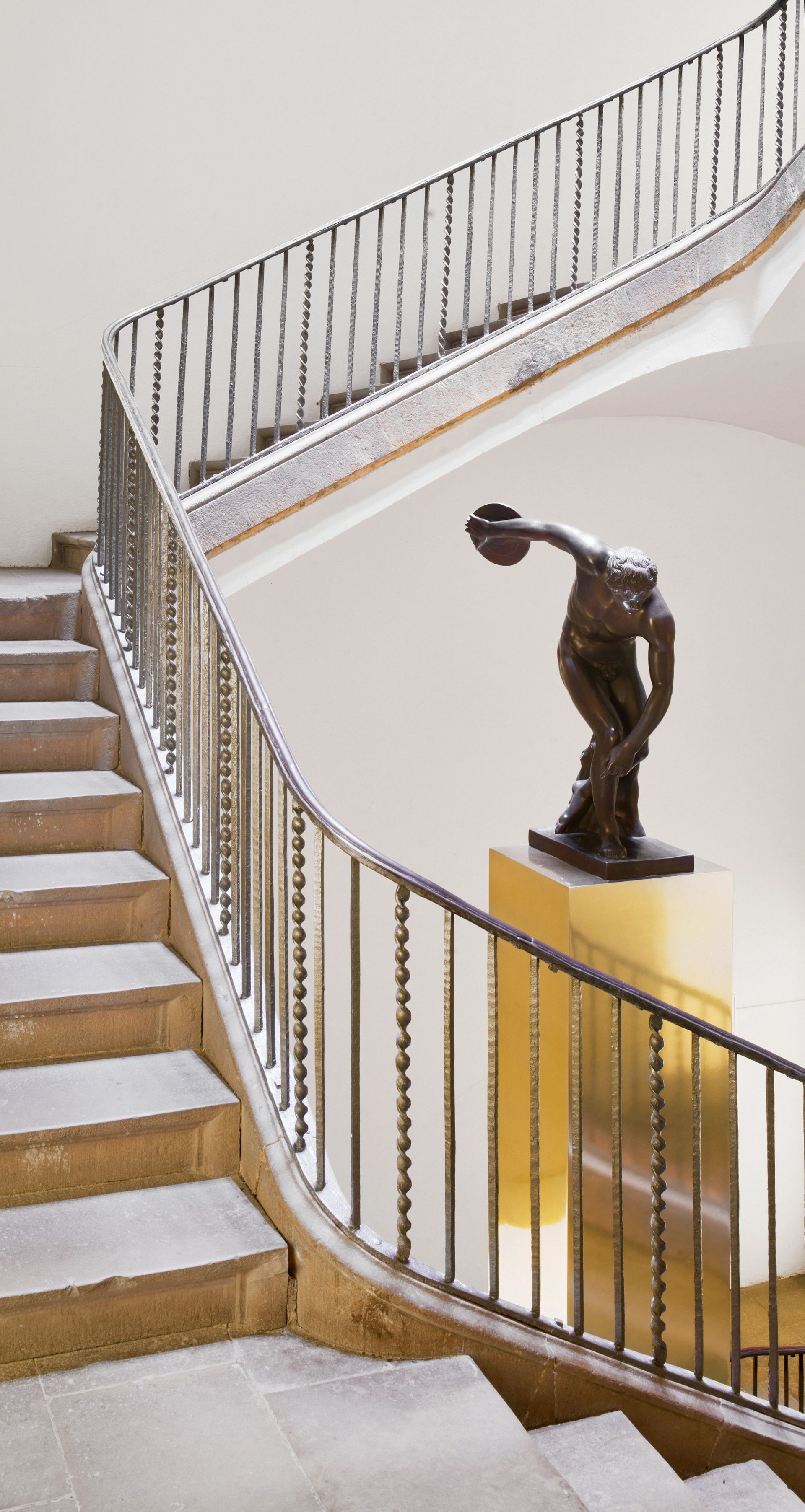
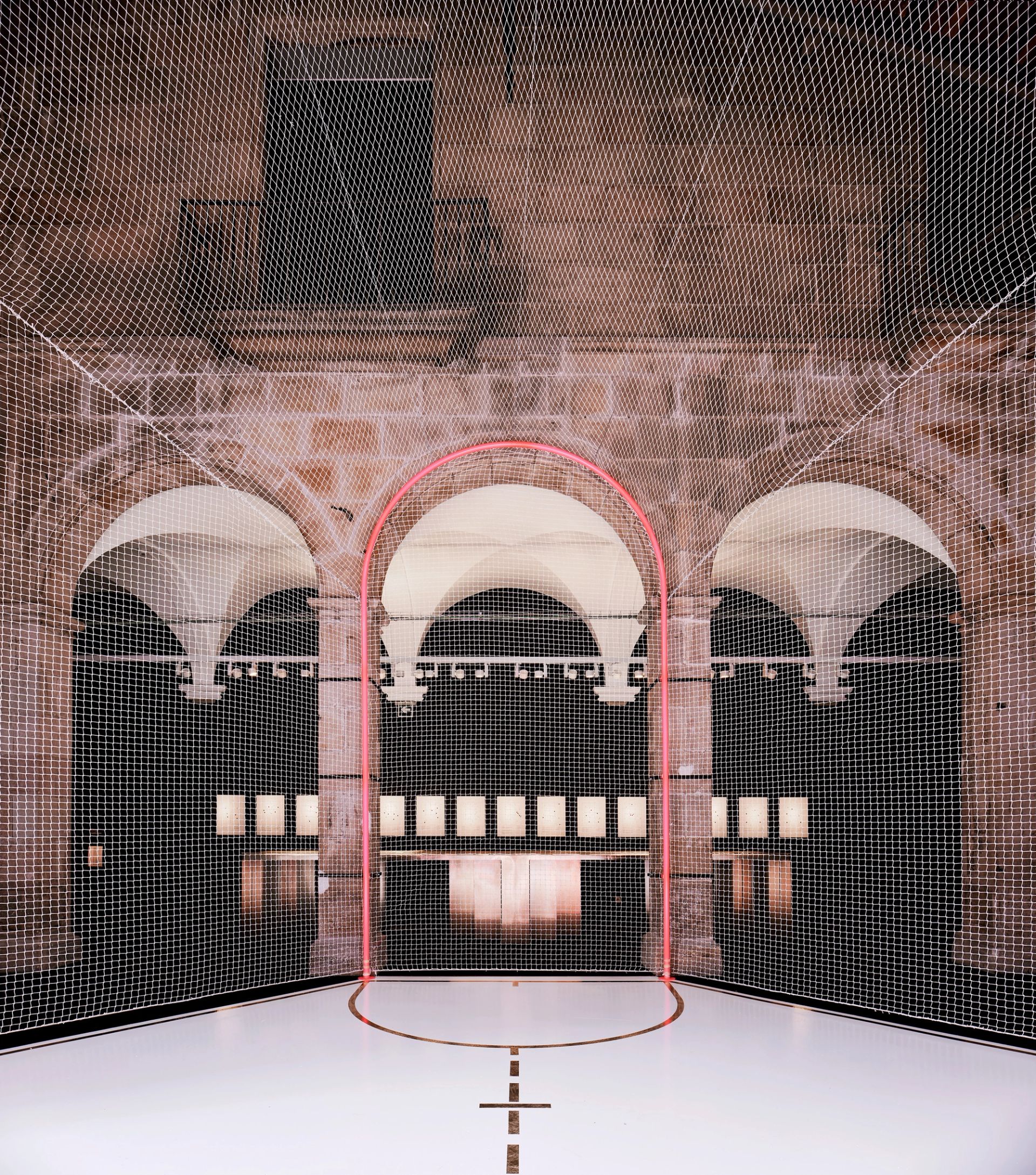
The exhibition design is based on a clear spatial operation: understanding the Centre Santa Mònica as a stadium. This involves juxtaposing two architectures: on the one hand, the former cloister converted into a museum, organized around a covered courtyard; on the other, the stadium evoked by the exhibition, structured around the playing field.
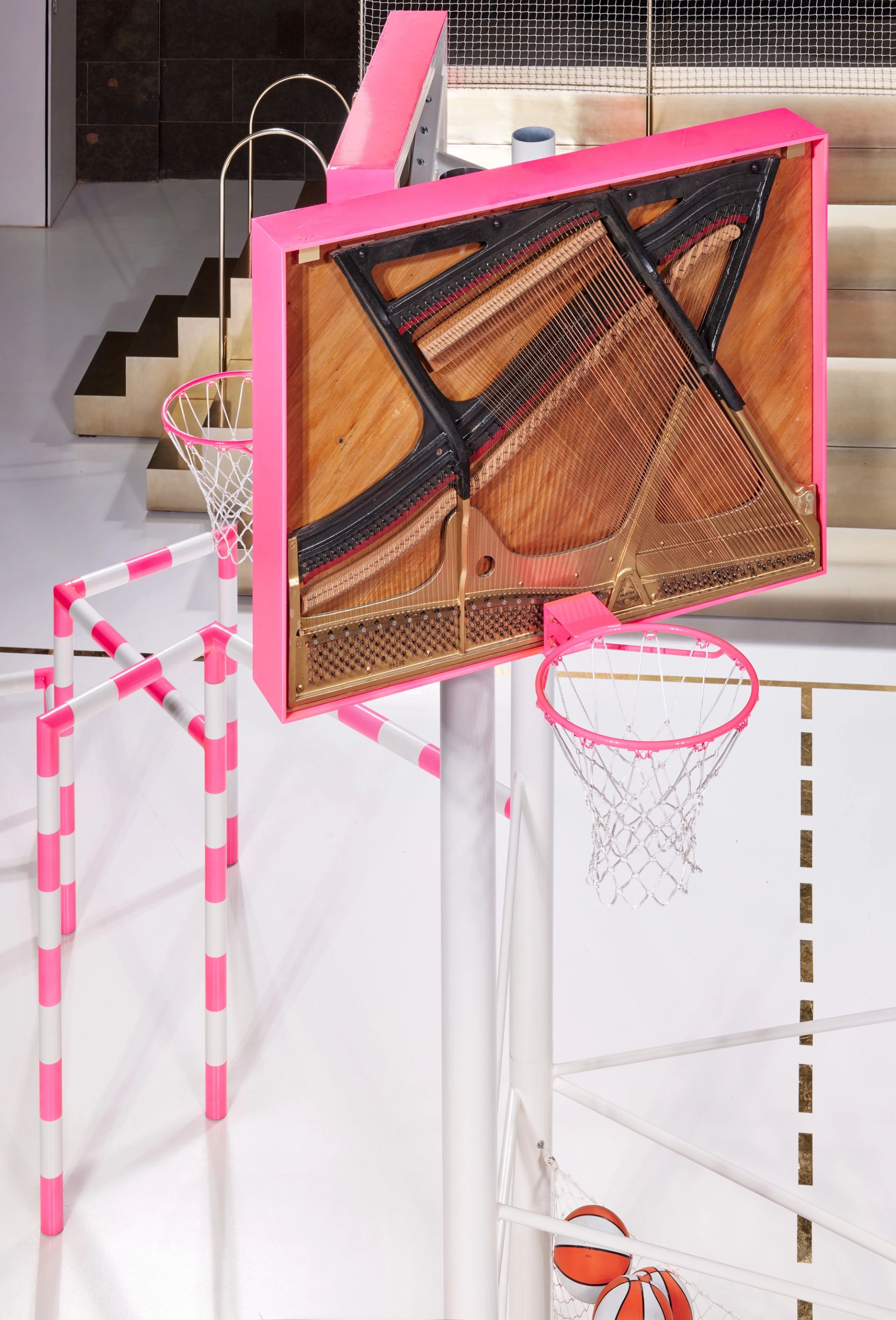
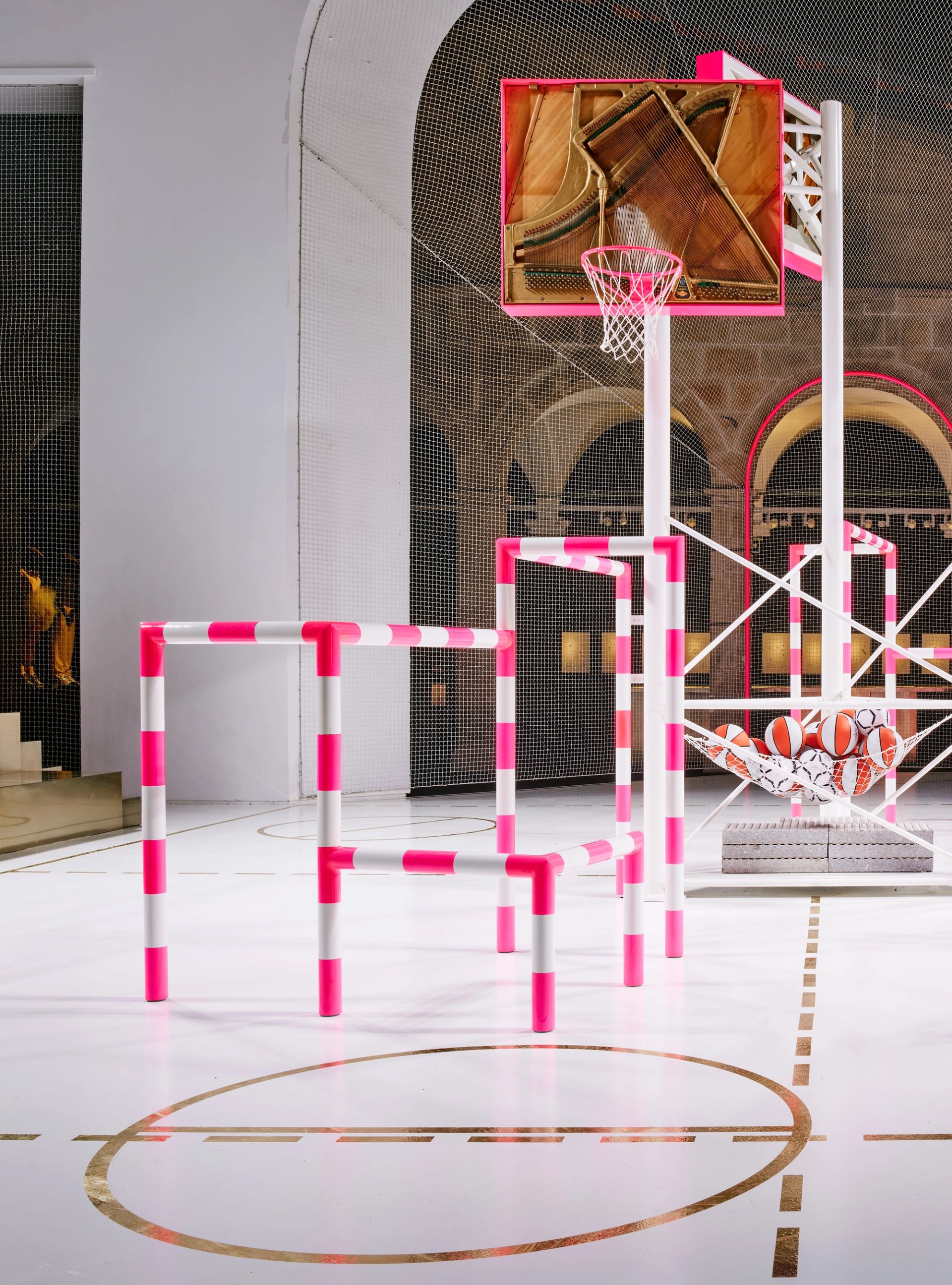
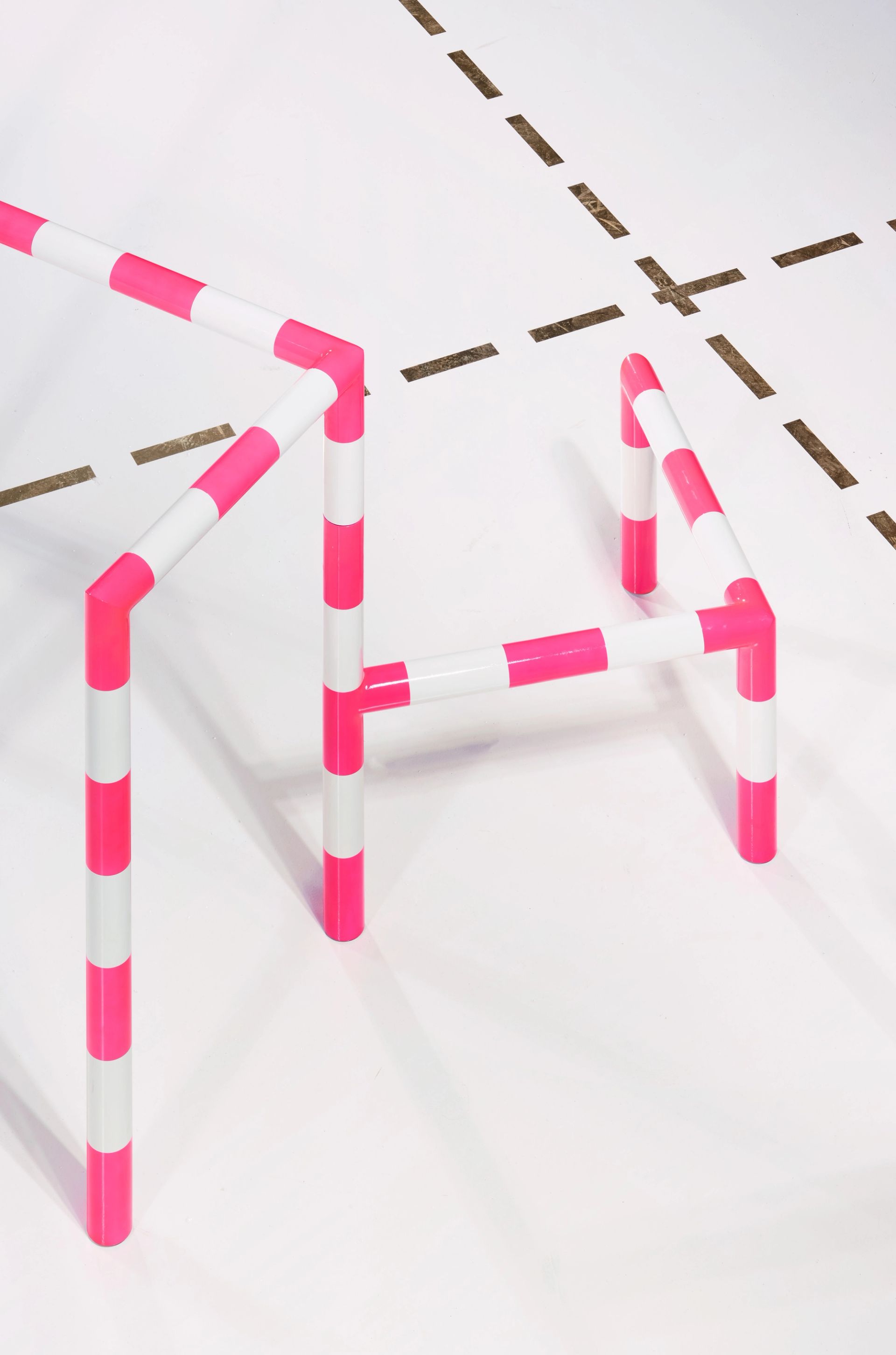
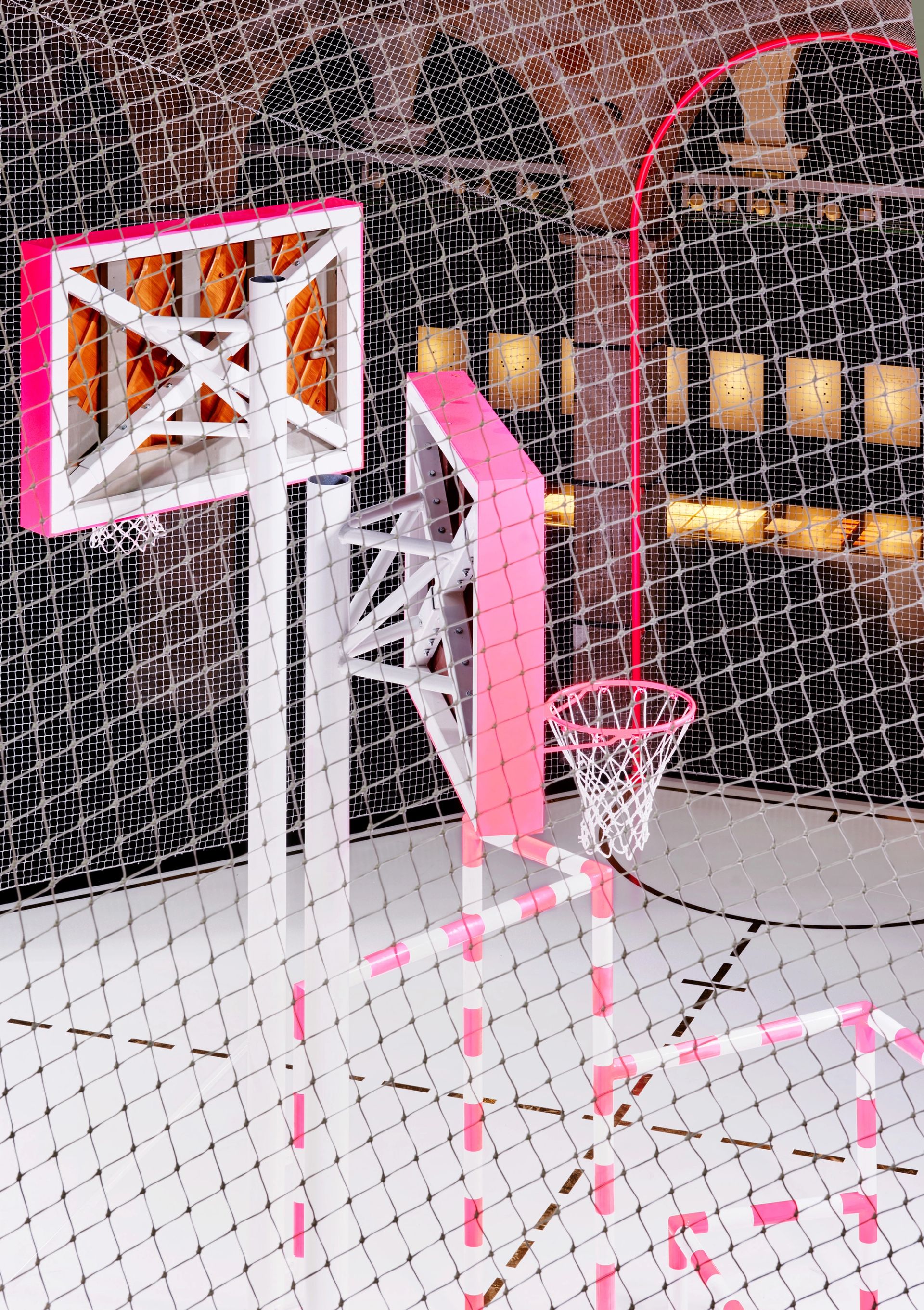
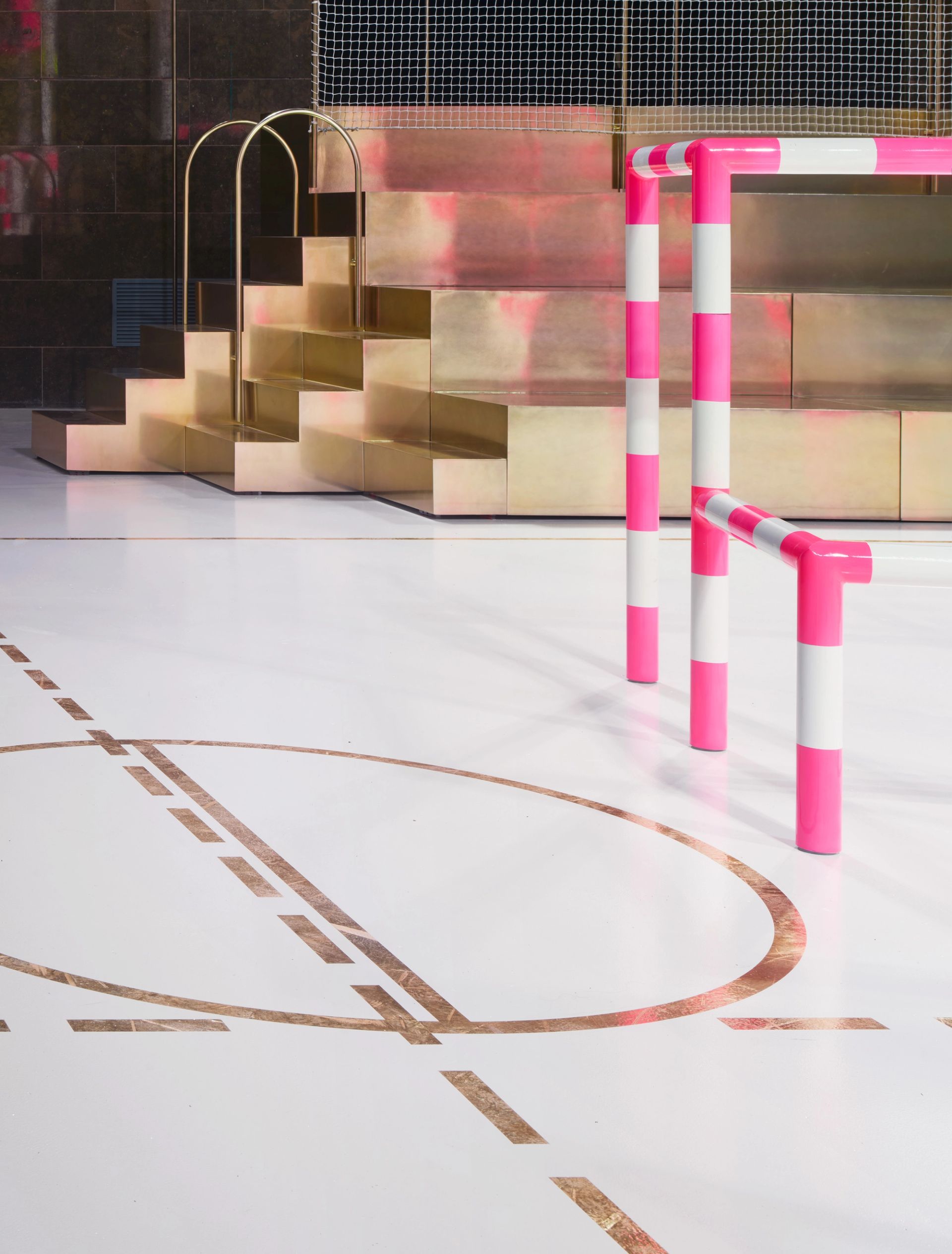
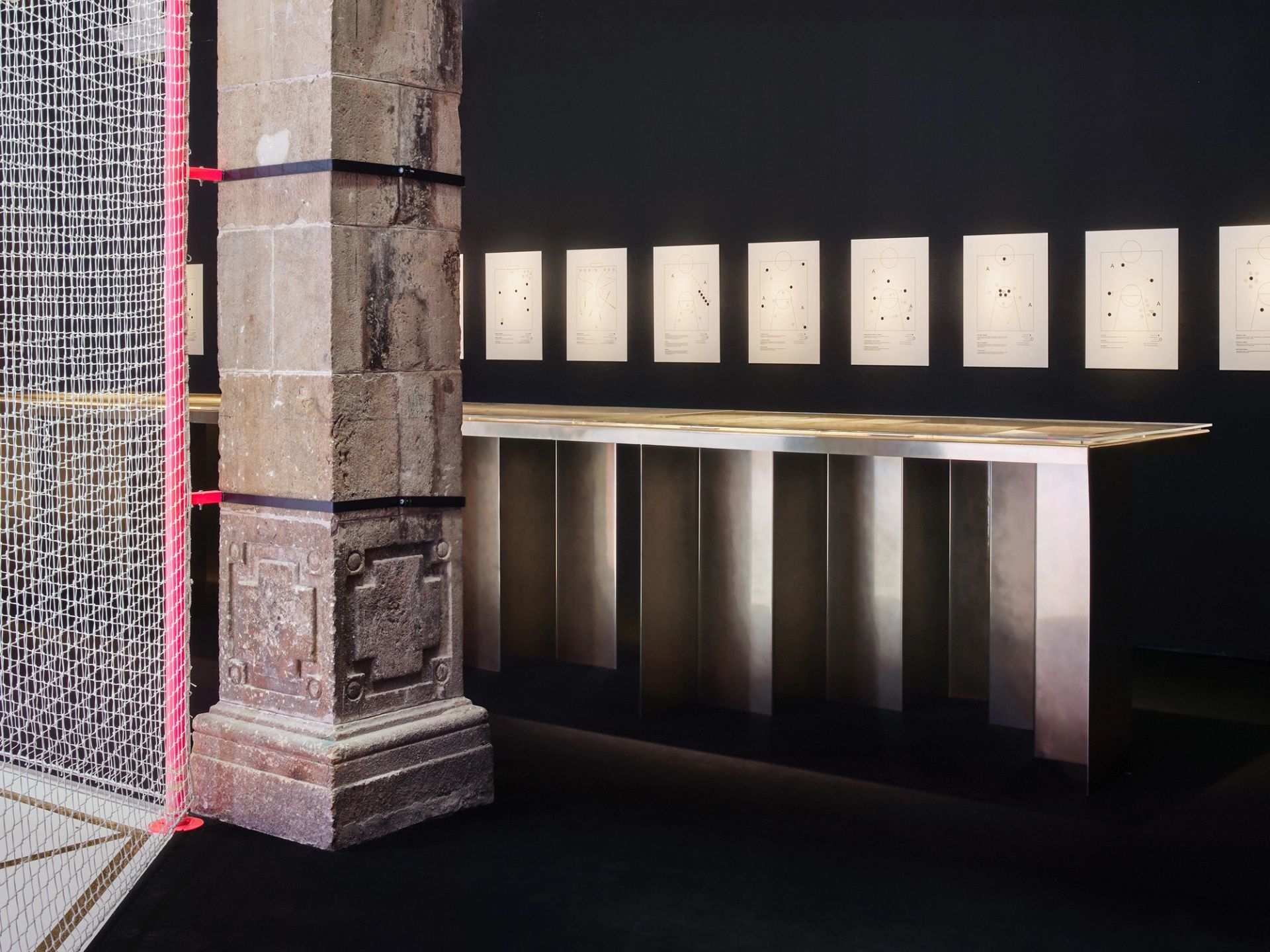
The central piece, Estadi, occupies the covered central courtyard. It is conceived as a “pitch” visible from the surrounding perimeter walkways, where the works of the other artists are displayed across the ground and first floors. The syntax of sport (lines, balls, hoops, goals) dissolves into another grammar: that of doubt, error, and de-competition—a space that frees sport from results and returns it to play. Sound plays a key role: it conditions movements and actions, and subverts their logic. Here, success remains silent, while error resonates.
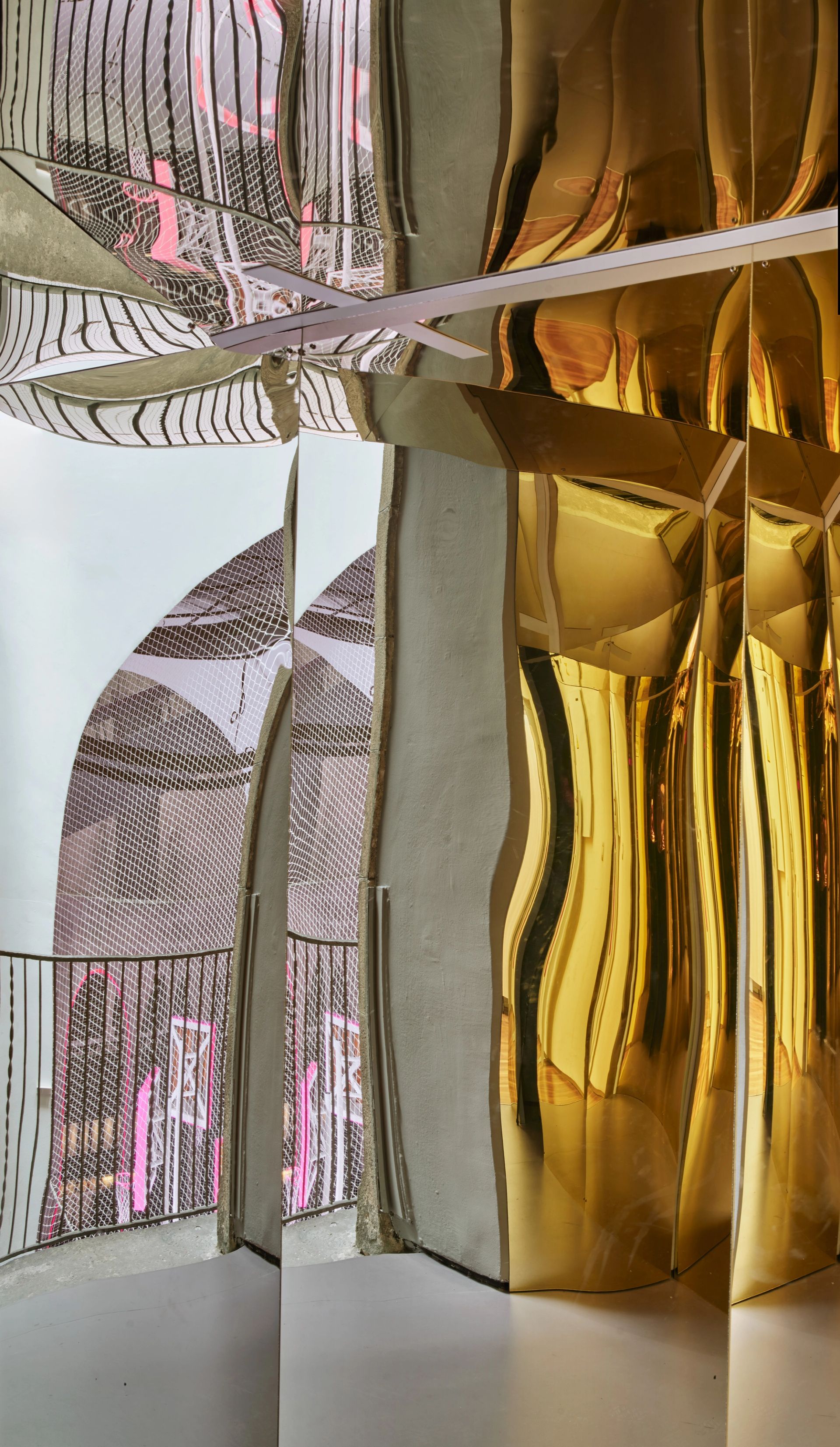
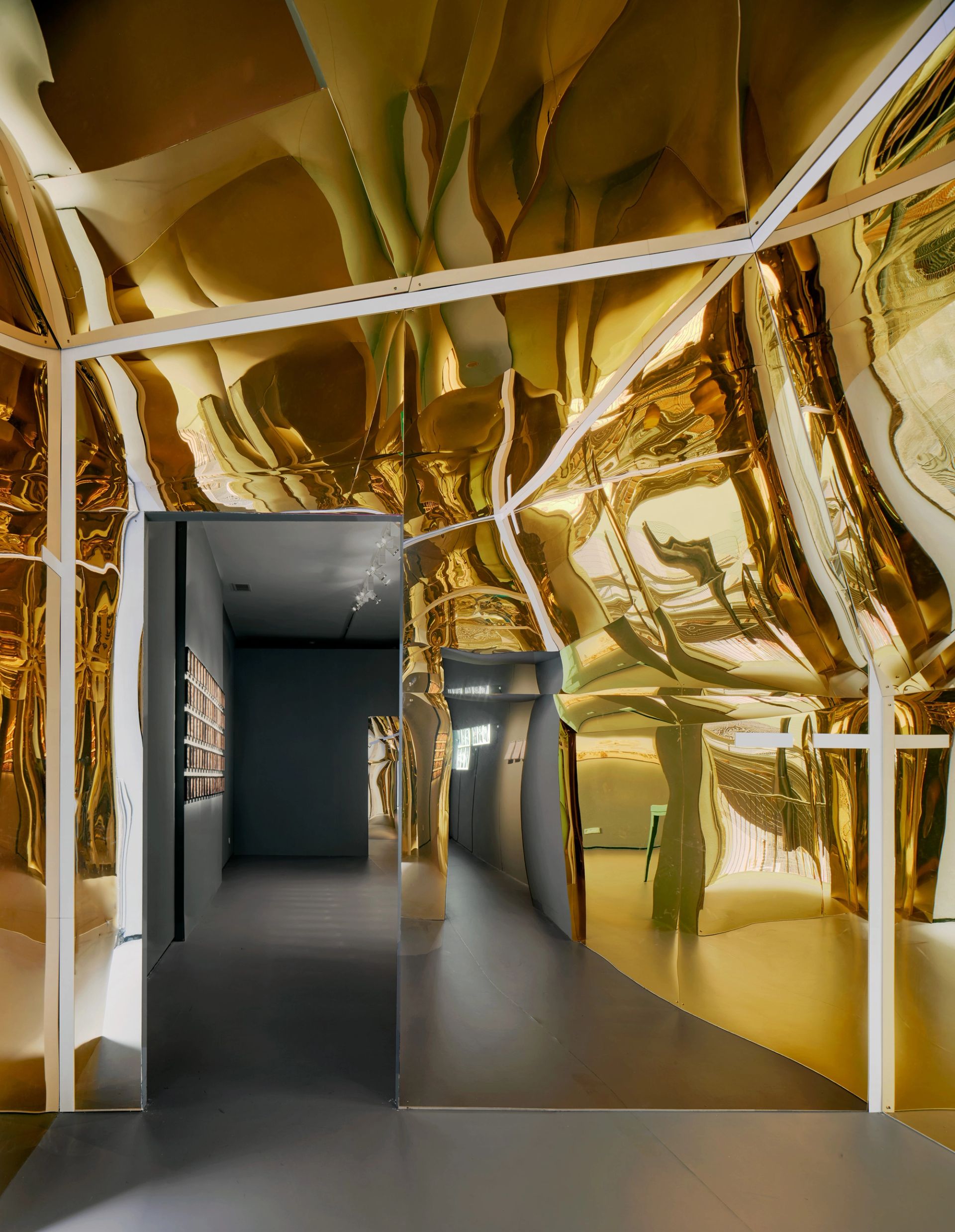
On the first floor, the route is interrupted by “stadium mouths” or booths that redirect the gaze toward the playing area and amplify the experience through golden mirrors, multiplying both the stadium and its visitors. In this way, the exhibition activates the cult of reflection and the gym's narcissism, transforming the audience into a mass through specular repetition.